
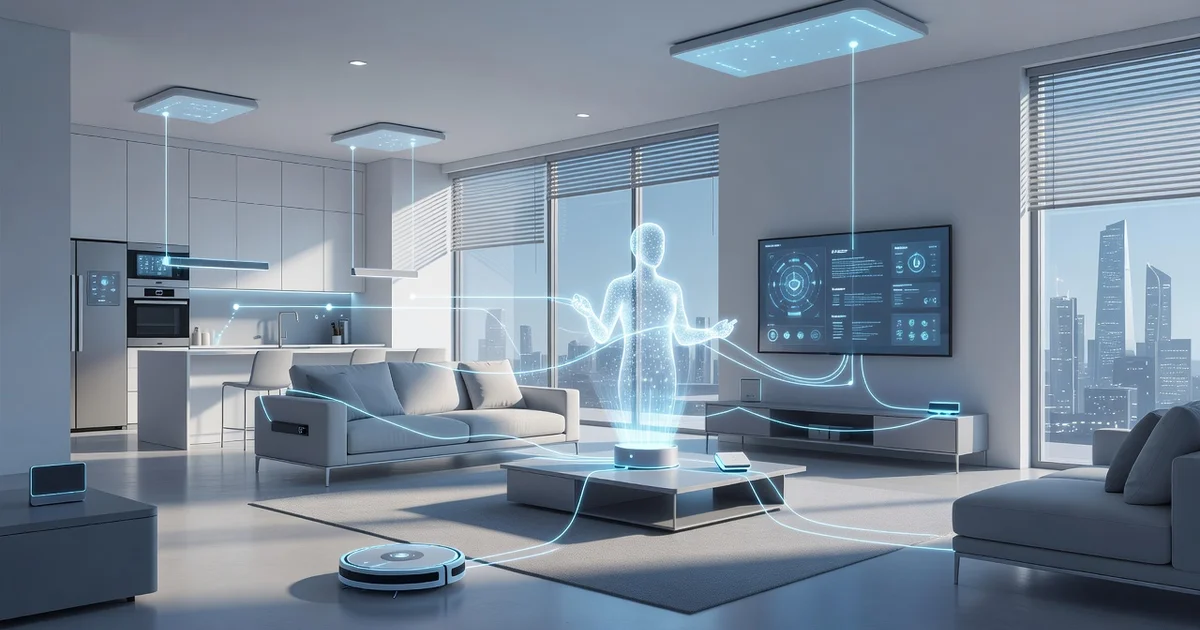
Smart home technology is evolving faster than ever, moving well beyond voice assistants and app-controlled lights. Today’s devices learn your routines, optimize energy use, and work together seamlessly—often without you lifting a finger. Understanding where this shift is heading helps you invest in the right systems now and avoid costly dead ends later.
In this article, we’ll explore the future of smart home technology, from AI-driven automation and Matter-enabled compatibility to privacy-first design and energy-saving innovations. You’ll get clear, actionable insights to future-proof your home and make smarter buying decisions today.
Introduction
Smart home technology has moved from novelty to necessity for millions of households. What began with programmable thermostats and remote-controlled lights has evolved into an ecosystem of interconnected devices that learn your routines, manage energy use, and respond to your voice. This article explores The Future of Smart Home Technology with clear, practical guidance so you can decide what belongs in your home and what does not.
The next decade will bring faster connectivity, smarter artificial intelligence, and stronger privacy standards. Understanding the fundamentals of The Future of Smart Home Technology helps you make informed decisions rather than chasing every new gadget that appears on the market. Reliable information and consistent habits lead to better long-term outcomes, whether you are building a system from scratch or upgrading an older setup.
This guide is written for everyday users—renters, homeowners, and families—who want plain answers. You do not need an engineering background. You need a plan, a budget, and a willingness to start small and expand thoughtfully.
Key Concepts
Before buying devices, it helps to know the vocabulary that shapes every smart home decision. These concepts determine compatibility, cost, and how much control you truly have.
Hubs, Protocols, and Connectivity
A smart home hub acts as the central brain that lets devices talk to each other. Protocols such as Wi-Fi, Bluetooth, Zigbee, Z-Wave, and the newer Matter standard determine how those devices communicate. Matter is especially important because it aims to make devices from different brands work together without friction. Choosing Matter-compatible products today reduces the risk of being locked into a single manufacturer tomorrow.
Automation Versus Control
Control means you press a button or speak a command. Automation means the system acts on its own based on triggers like time, motion, or temperature. A motion sensor that turns on hallway lights at night is automation. A phone app that dims a lamp is control. Mature smart homes use both, with automation handling routine tasks and manual control reserved for exceptions.
Data, Privacy, and Security
Every connected device collects some data—usage patterns, voice recordings, video footage, or sensor readings. The future of smart home technology depends on trust. Look for devices with local processing options, clear privacy policies, and regular firmware updates. A strong router password, two-factor authentication, and a separate guest network for smart devices are simple steps that protect your household.
Deep Dive
The smart home of the near future will feel less like a collection of gadgets and more like a quiet assistant. Several shifts are already underway, and knowing them helps you invest wisely.
Artificial Intelligence Moves to the Edge
Instead of sending every command to the cloud, more devices will process data locally. Edge AI means faster responses, less bandwidth use, and better privacy because your voice or video never leaves the home. Cameras that recognize a package versus a person, and thermostats that predict your schedule without cloud analysis, are early examples.
Energy Management Becomes Central
With rising energy costs and more electric vehicles, smart homes will increasingly manage power. Smart panels can shift usage to off-peak hours, solar systems can store surplus energy, and appliances can coordinate to avoid peak demand charges. This is one of the most practical and financially rewarding areas of the future smart home.
Interoperability Replaces Brand Loyalty
The old model forced you to pick one ecosystem. Matter and Thread are breaking that wall. In the coming years, a light bulb from one brand, a lock from another, and a speaker from a third will cooperate through a shared standard. Buy for compatibility, not for logos.
Health and Ambient Sensing
Smart homes will monitor air quality, humidity, sleep patterns, and even falls among older residents. These features raise privacy questions, but they also offer real independence for aging adults and peace of mind for families.
Best Practices
Good habits keep a smart home reliable, secure, and affordable. Apply these practices from day one.
- Start with one room. A single well-planned space teaches you what works before you scale.
- Prioritize your router. A modern dual-band or mesh router prevents most connectivity headaches.
- Update regularly. Firmware updates fix bugs and close security gaps. Turn on automatic updates where possible.
- Name devices clearly. Labels like “Kitchen Ceiling Light” save time when building automations.
- Use scenes, not dozens of rules. A “Good Night” scene that locks doors, dims lights, and arms the alarm is easier to manage than ten separate automations.
- Keep a manual fallback. Smart locks should still have a key, and smart lights should work from a physical switch.
- Review privacy settings quarterly. Disable features you do not use and check which devices share data.
- Document your setup. A simple list of devices, apps, and passwords helps when you troubleshoot or move.
Reliable information and consistent habits lead to better long-term outcomes. A smart home is a system, not a purchase. Maintain it the way you maintain a car or a garden.
Step-by-Step Guide
Follow this sequence to build a smart home that actually improves daily life.
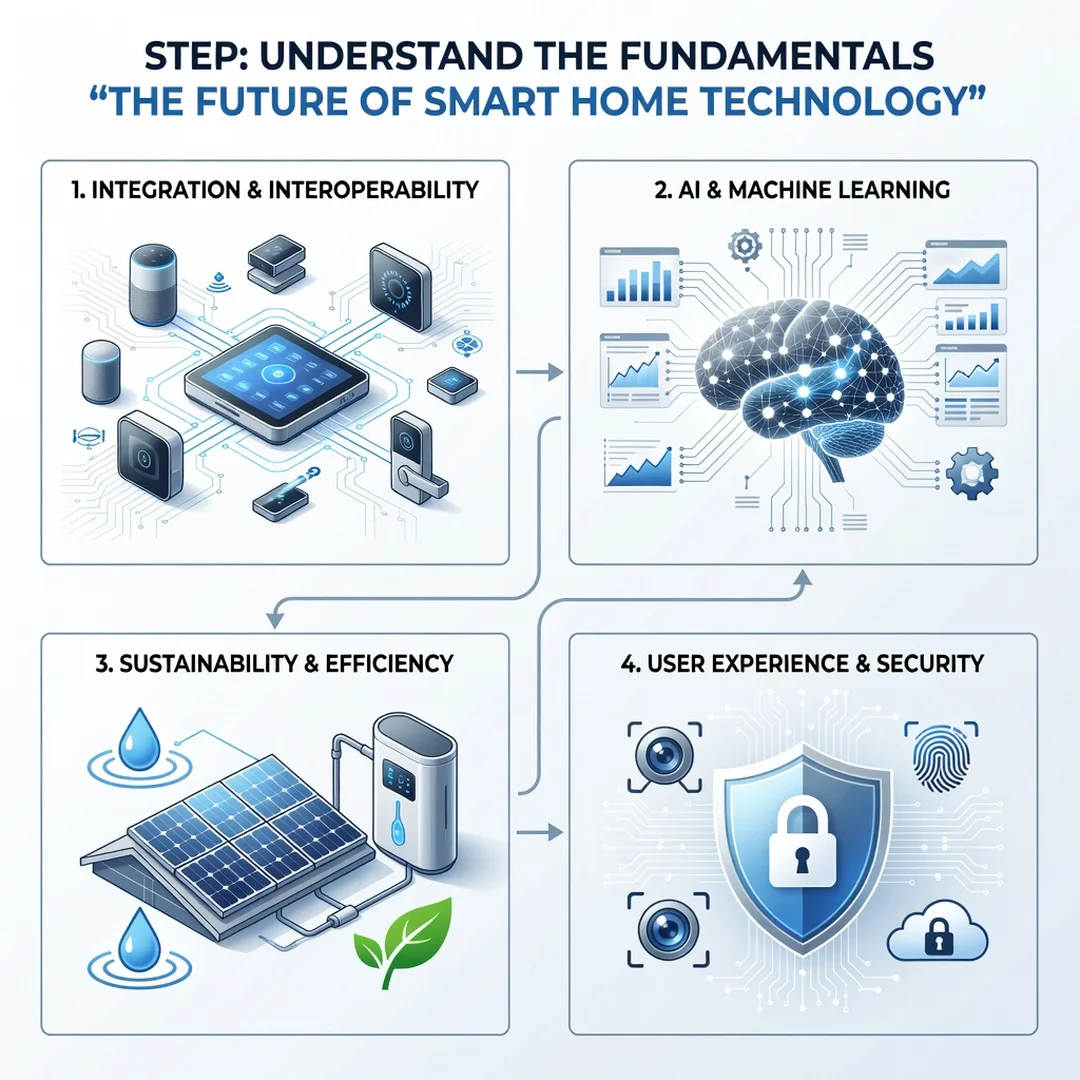
Step 1: Understand the fundamentals
Learn the difference between hubs, protocols, and platforms before spending money. Read about Matter, Wi-Fi, and Zigbee. Decide whether you prefer voice control, app control, or both. This foundation prevents expensive mistakes and ensures the devices you buy can work together.
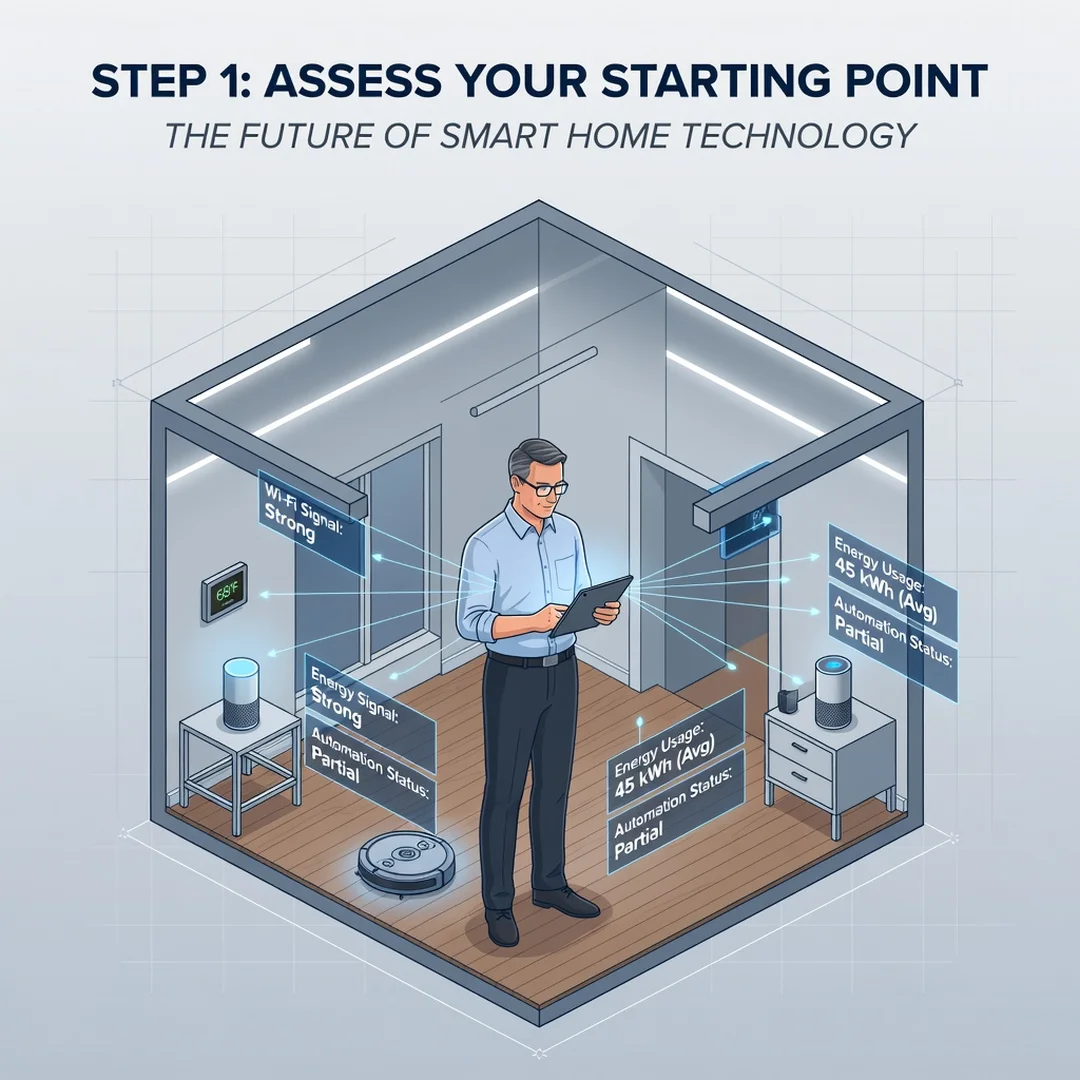
Step 2: Assess your starting point
Walk through your home and note what you already own: router model, internet speed, existing smart speakers, and any old devices. Check whether your Wi-Fi reaches every room. Identify dead zones and whether a mesh system is needed. Knowing your baseline tells you what to fix first.
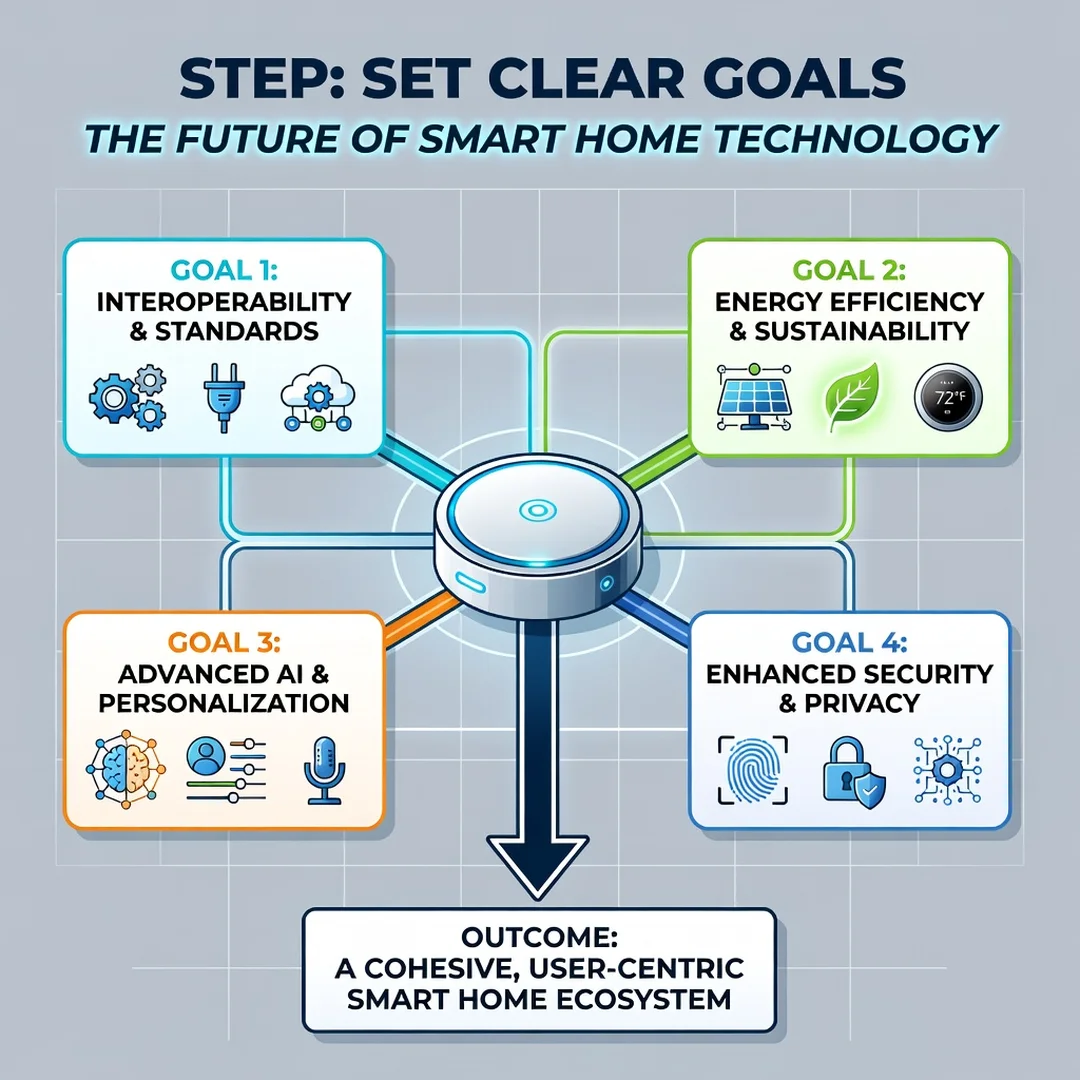
Step 3: Set clear goals
Write down what you want the smart home to do. Common goals include saving energy, improving security, simplifying lighting, or supporting an older family member. Rank them. Your top goal should guide your first purchase, whether that is a video doorbell, a smart thermostat, or a set of smart plugs.

Step 4: Gather necessary resources
Collect the tools you need: a reliable router, a smartphone or tablet, a budget range, and time for setup. Consider a hub if you plan to use Zigbee or Z-Wave devices. Set aside an hour per device for installation and testing. If you rent, choose plug-in devices rather than hardwired ones.
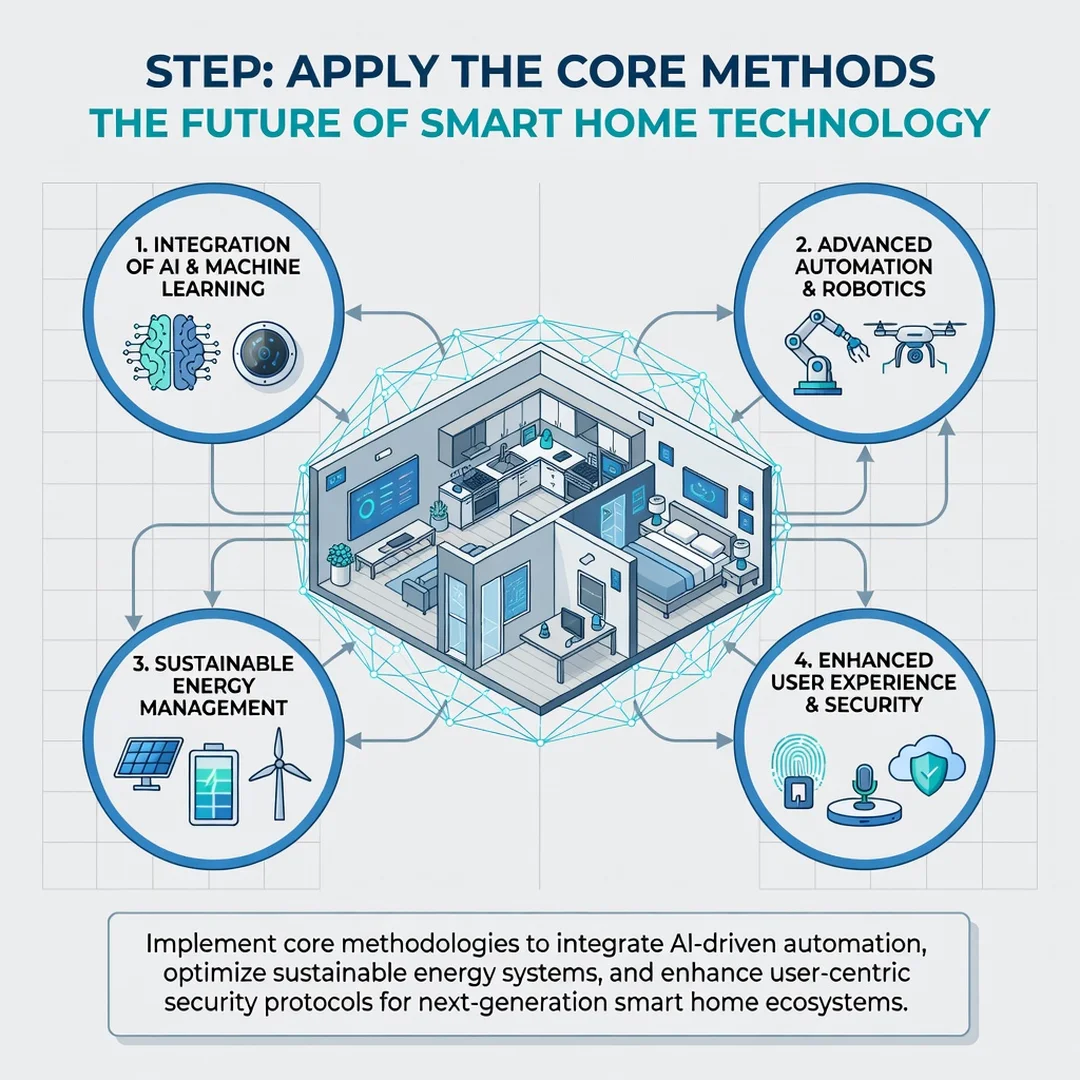
Step 5: Apply the core methods
Install one device at a time and test it fully before adding the next. Create simple scenes and automations. Secure each device with a strong unique password. After a week, review what works and what feels intrusive. Adjust, then expand to the next room. This gradual method builds confidence and keeps your system stable.
FAQ
What should I know about The Future of Smart Home Technology?
You should know that the field is shifting toward interoperability through standards like Matter, local processing for privacy, and smarter energy management. The most important practical takeaway is to buy devices that work together and to start small. You do not need the newest gadget; you need a coherent system that matches your routines and budget.
Who is this guide for?
This guide is for anyone curious about smart home technology, from first-time buyers to people upgrading an older setup. It suits renters who need non-permanent options, homeowners planning a larger system, and families who want practical security and energy savings without technical jargon.
Other common questions include: Do I need a hub? Not always, but it helps with Zigbee and Z-Wave devices. Is smart home technology expensive? You can start for the price of a few smart plugs and grow over time. Will my devices work together? If you choose Matter-certified products, the odds are much better.
Conclusion
The future of smart home technology is not about owning every device—it is about building a home that responds to you quietly and reliably. By understanding the fundamentals, starting with one room, and following consistent security and maintenance habits, you gain real benefits in comfort, savings, and peace of mind. The technology will keep changing, but the principles remain stable: choose compatibility, protect your privacy, and let automation handle the routine so you can focus on what matters.
You now have a solid foundation for The Future of Smart Home Technology. Apply the best practices above and revisit this guide as your needs evolve.