
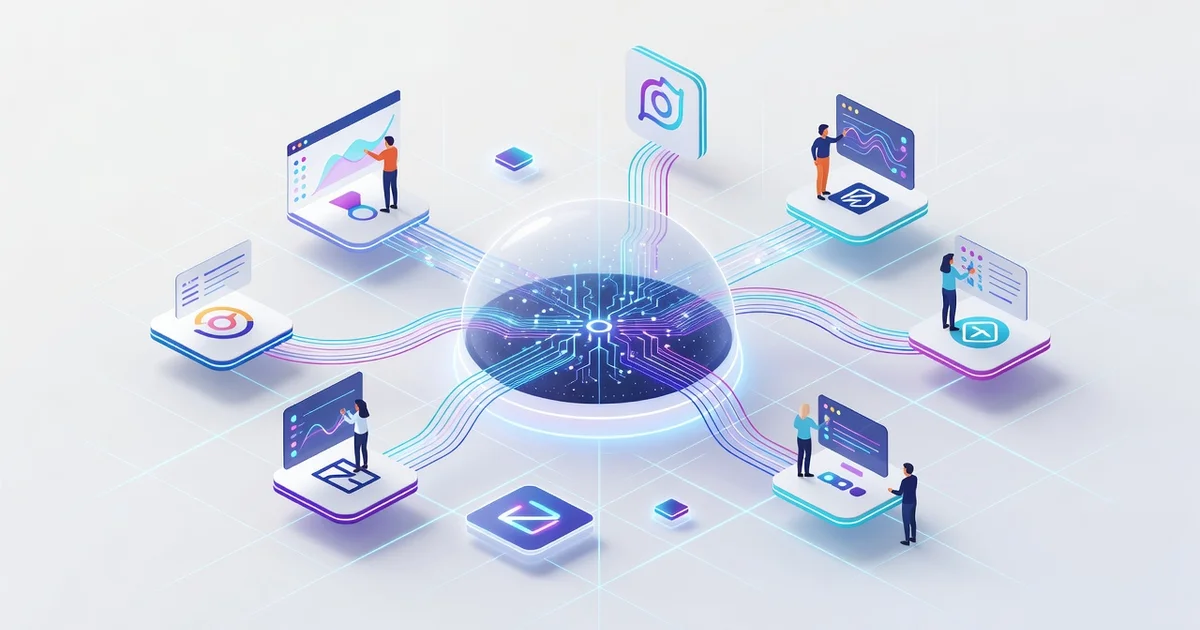
The future of AI-powered software applications is no longer a distant possibility — it is already reshaping how we work, communicate, and make decisions. From smarter customer support to predictive analytics, AI is transforming everyday tools into proactive assistants that save time and reduce effort.
In this article, we explore the key trends, real-world use cases, and practical steps you can take today to stay ahead. Whether you are a business leader or a curious user, understanding AI-powered software applications will help you make smarter choices for tomorrow.
Introduction
Artificial intelligence has moved from research labs into everyday software. The applications you use for email, shopping, banking, and work now routinely include AI features that sort, predict, recommend, and generate. This article explores The Future of AI-Powered Software Applications with clear, practical guidance. Rather than treating AI as a distant novelty, it helps you see how these tools already shape daily decisions and what changes are likely next.
Understanding the fundamentals of The Future of AI-Powered Software Applications helps you make informed decisions. Whether you are a business owner choosing tools, a professional adapting to new workflows, or a curious user trying to keep up, the same principles apply. Reliable information and consistent habits lead to better long-term outcomes.
The goal here is not to predict every product that will appear. It is to give you a durable mental model you can reuse as the technology evolves.
Key Concepts
Before looking ahead, it helps to name the ideas that drive AI-powered software. These concepts recur in almost every product and strategy discussion.
- Generative AI: Systems that create text, images, code, or audio in response to prompts. They are now embedded in writing assistants, design tools, and customer support platforms.
- Machine learning models: Software that improves at a task by learning patterns from data instead of following only hand-written rules.
- Large language models (LLMs): A type of model trained on vast text data, used for chat, summarization, translation, and reasoning tasks.
- AI agents: Applications that can plan and take multi-step actions, such as booking a meeting or updating a database, with limited human input.
- Human-in-the-loop: A design where people review, correct, or approve AI output before it has real consequences.
- Prompt engineering: The practice of writing clearer instructions so an AI tool produces more useful results.
These concepts matter because they explain both the power and the limits of AI software. A model that predicts well on average can still fail on edge cases. An agent that saves time can also make mistakes at scale. Knowing the vocabulary helps you ask better questions of vendors and colleagues.
Deep Dive
The future of AI-powered applications is best understood as a shift in how software is built and used. In the past, software followed fixed rules: if a customer clicks a button, show a form. Today, more software is probabilistic. It suggests, ranks, generates, and adapts. This changes the user experience and the risks.
From tools to collaborators
Early AI features acted like filters or autocomplete. Newer applications behave more like collaborators. A project management app can draft a status report from recent activity. A coding environment can propose a function and explain it. A finance dashboard can flag unusual spending and suggest follow-up questions. The software does not just display data; it interprets it.
Personalization and privacy
AI applications improve when they have context about you. That context can come from your past behavior, your documents, or your conversations. The trade-off is privacy. Products that personalize well must also handle data responsibly, with clear consent and transparent controls. As a user or buyer, look for settings that let you limit what the system remembers and shares.
Reliability and trust
Because AI output is generated rather than retrieved, it can be confident and wrong. Future applications will be judged less on flashy demos and more on reliability. Expect to see more citations, confidence scores, audit logs, and easy ways to correct mistakes. Trust will be earned through consistency, not novelty.
Integration into existing workflows
The biggest gains will come not from standalone AI apps but from AI woven into tools people already use. The future is less about opening a separate chatbot and more about AI appearing inside email, spreadsheets, design software, and customer relationship systems. This reduces friction and makes adoption more natural.
Best Practices
To use AI-powered software well, adopt habits that keep you in control and focused on outcomes.
- Start with the problem, not the tool. Define the task you want to improve before choosing an AI product.
- Keep a human review step. For anything important, check facts, numbers, and tone before acting.
- Protect sensitive information. Avoid entering confidential data into tools without clear data policies.
- Test in small batches. Try a new AI feature on low-stakes work before relying on it for critical tasks.
- Document what works. Save prompts, settings, and examples that produce good results so you can repeat them.
- Review regularly. AI tools change quickly. Reassess whether a tool still fits your needs every few months.
These habits turn AI from a source of anxiety into a practical advantage. Reliable information and consistent habits lead to better long-term outcomes.
Step-by-Step Guide
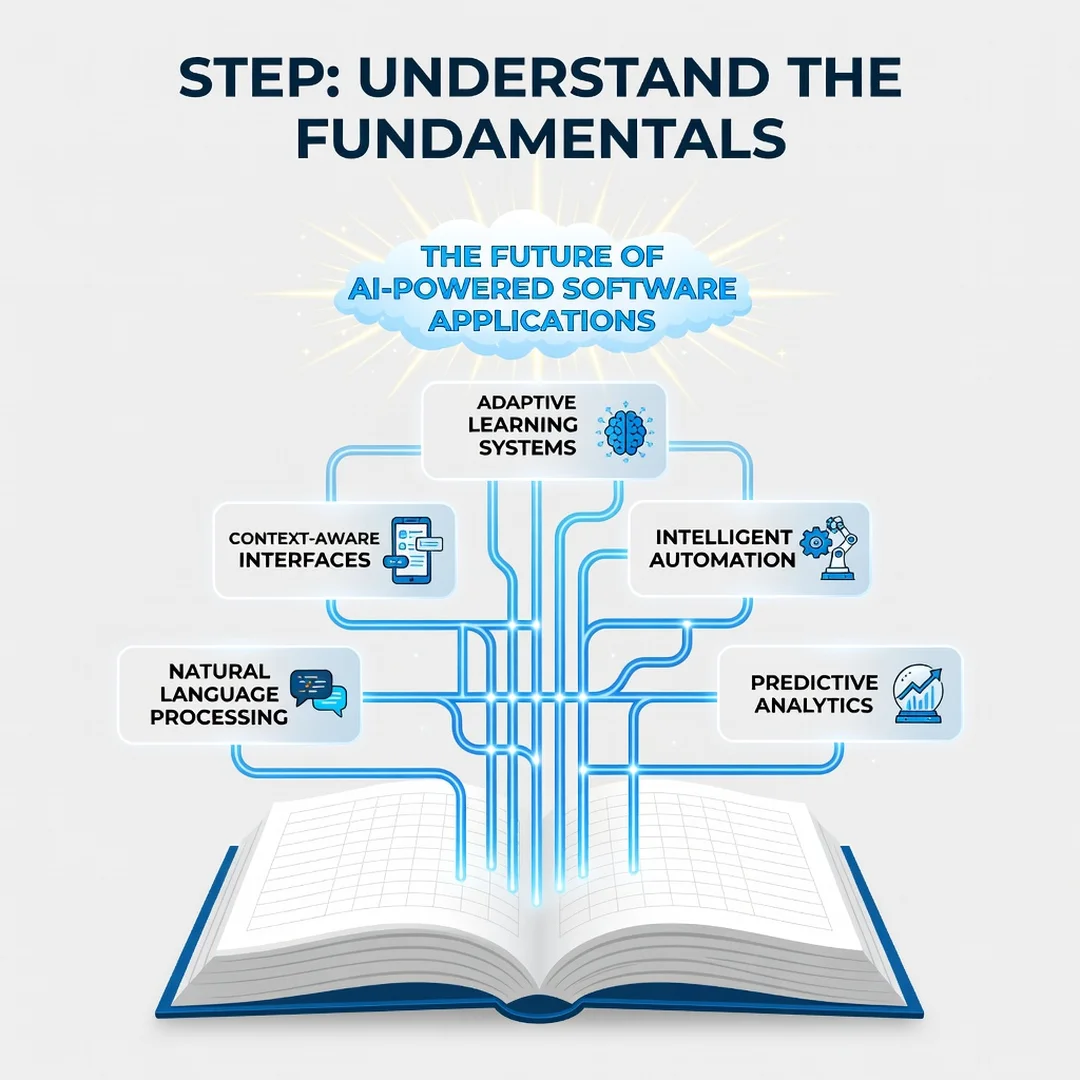
Step 1: Understand the fundamentals
Learn the core vocabulary: generative AI, machine learning, LLMs, agents, and human-in-the-loop. Read one or two plain-language explanations and try a simple AI tool yourself. Understanding the fundamentals helps you make informed decisions and spot exaggerated claims.
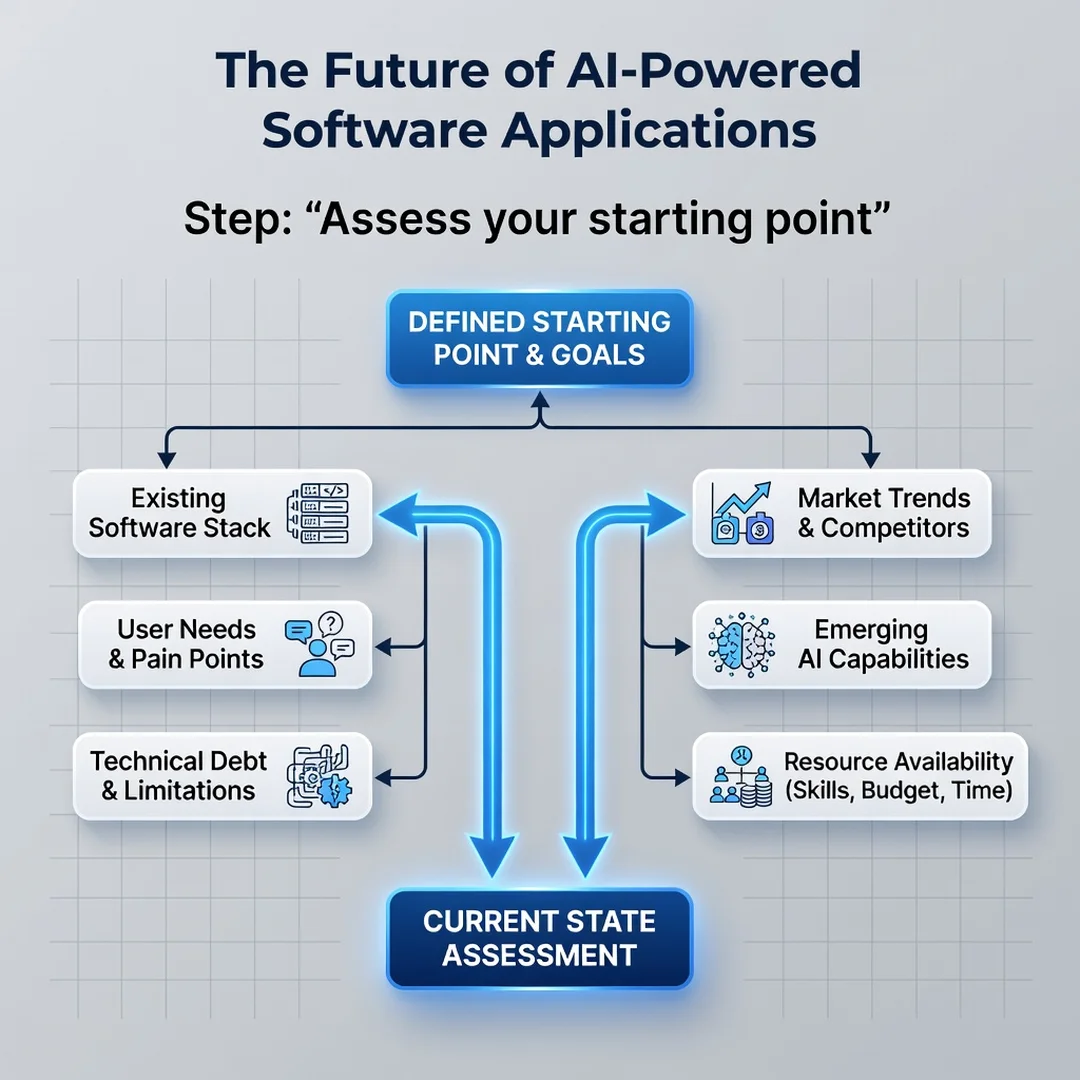
Step 2: Assess your starting point
Look at your current workflows, tools, and pain points. Which tasks are repetitive, slow, or error-prone? Note what data you have and whether it is organized. A clear starting point prevents you from adopting AI for its own sake.
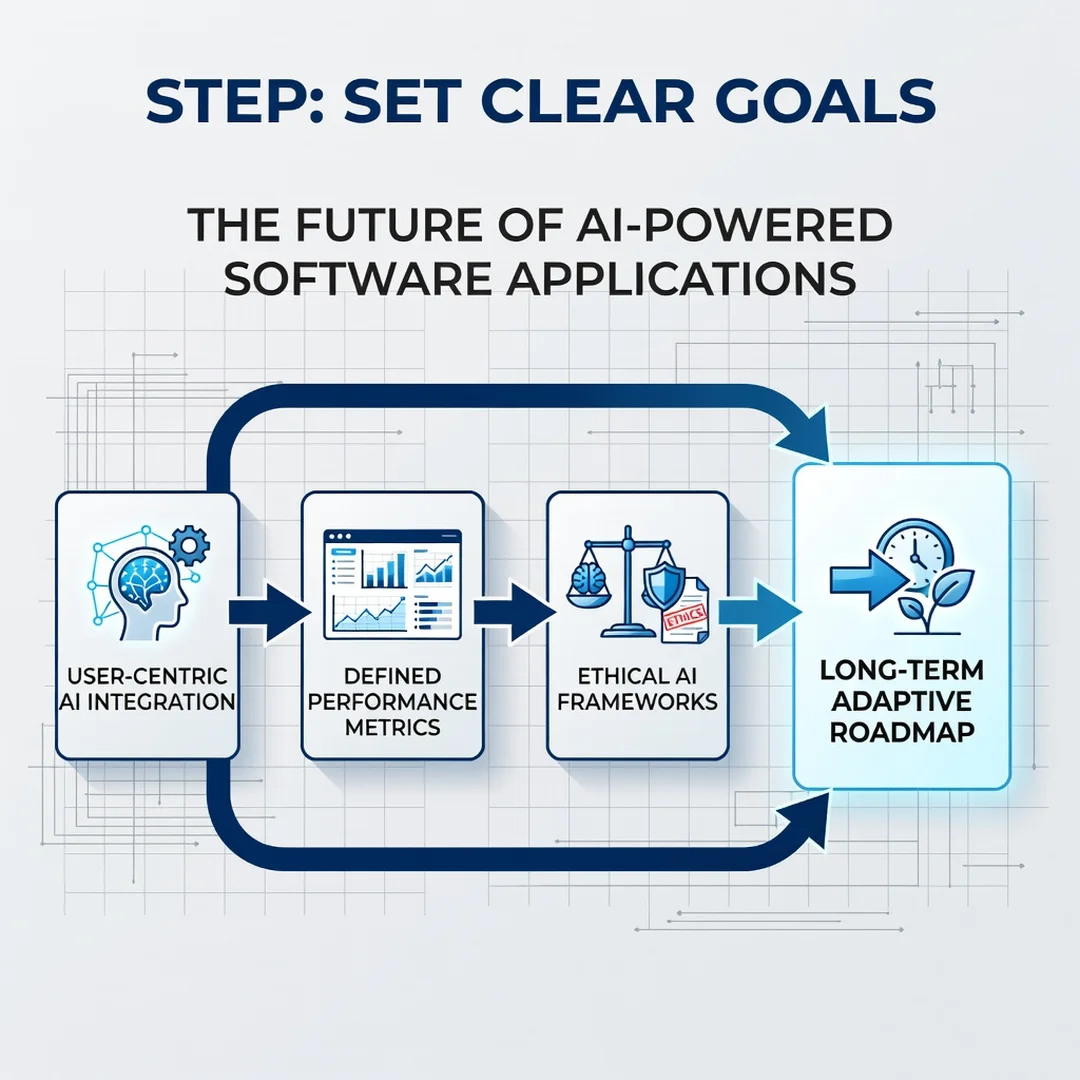
Step 3: Set clear goals
Define what success looks like. Examples: reduce response time, cut manual data entry, or improve draft quality. Make goals specific and measurable. Clear goals guide tool selection and help you evaluate results later.
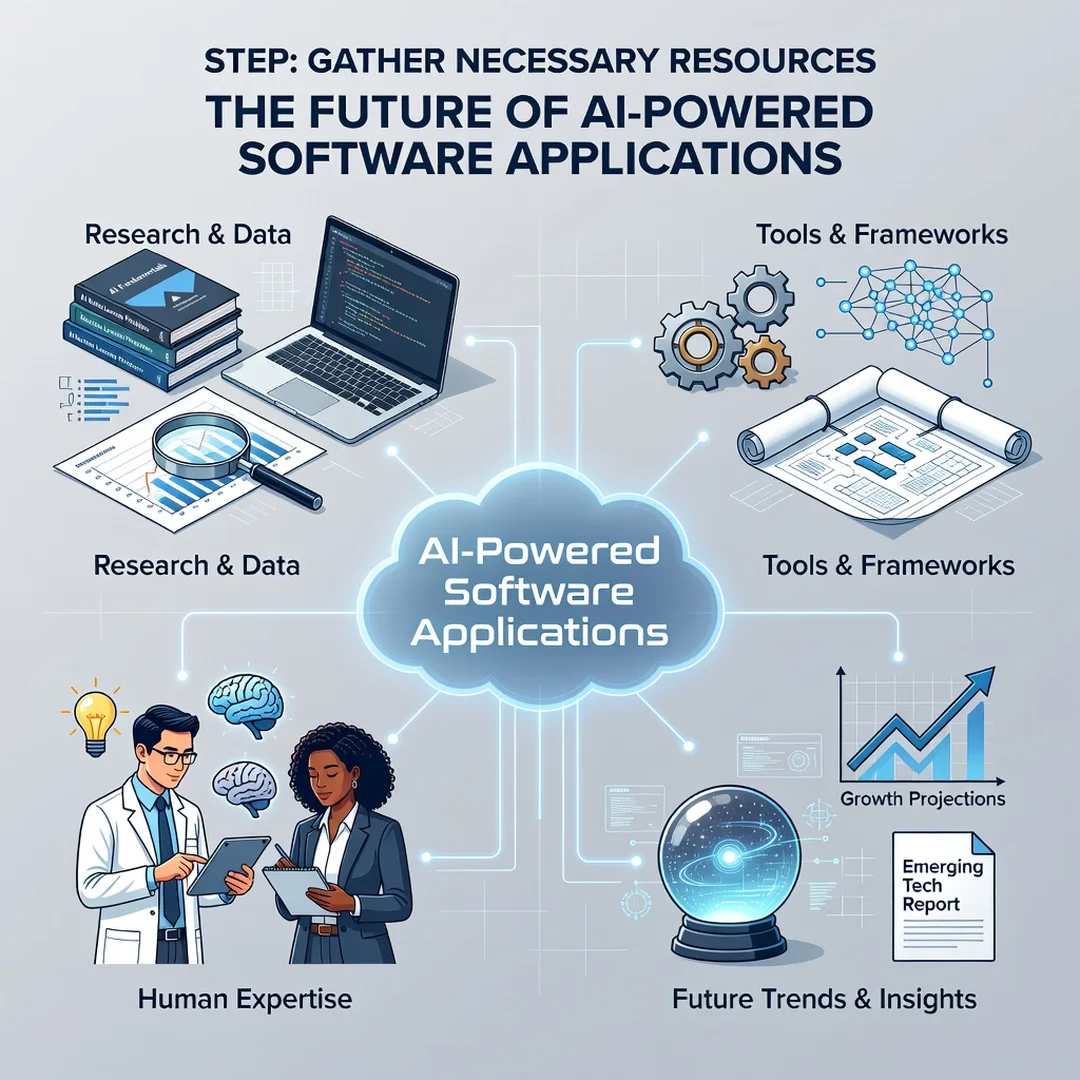
Step 4: Gather necessary resources
Identify the budget, time, people, and data you need. This may include a subscription, training hours, a pilot group, or clean sample documents. Having resources ready reduces frustration and increases the chance of a smooth rollout.
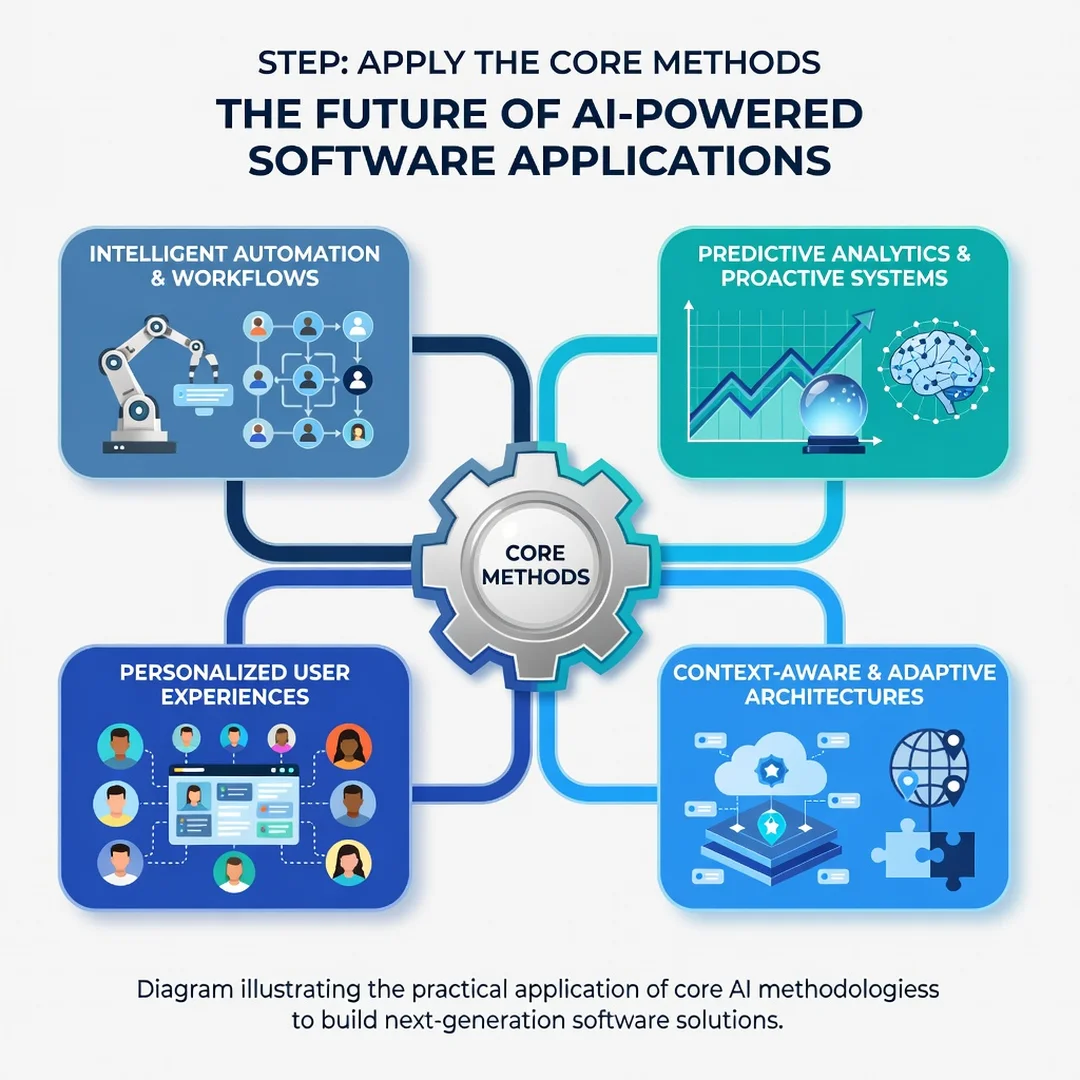
Step 5: Apply the core methods
Start small, keep a human in the loop, and review outcomes. Use clear prompts, test on real tasks, and adjust based on what you learn. Consistent application of these methods builds skill and trust over time.
FAQ
What should I know about The Future of AI-Powered Software Applications?
The most important point is that AI is shifting software from fixed rules to adaptive, probabilistic behavior. This brings real benefits in speed and personalization, but it also requires human review, attention to privacy, and a focus on reliability. You do not need to be an engineer. You need a clear understanding of fundamentals, realistic goals, and consistent habits.
Who is this guide for?
This guide is for general readers: professionals, small business owners, students, and anyone who uses software daily. It assumes no technical background and focuses on practical decisions. If you want a clearer view of where AI applications are heading and how to use them responsibly, this is written for you.
Conclusion
The future of AI-powered software applications is not a single product or breakthrough. It is a steady integration of adaptive tools into the work and services we already use. The winners will be those who combine curiosity with discipline: learning the concepts, setting clear goals, and keeping people in the loop. By following the steps and practices above, you can make informed choices today and adapt confidently as the technology continues to evolve.
Frequently Asked Questions
What should I know about The Future of AI-Powered Software Applications?
This guide covers the essentials of The Future of AI-Powered Software Applications with practical steps you can apply right away.
Who is this guide for?
Anyone looking for a clear, structured overview without unnecessary complexity.
You now have a solid foundation for The Future of AI-Powered Software Applications. Apply the best practices above and revisit this guide as your needs evolve.