
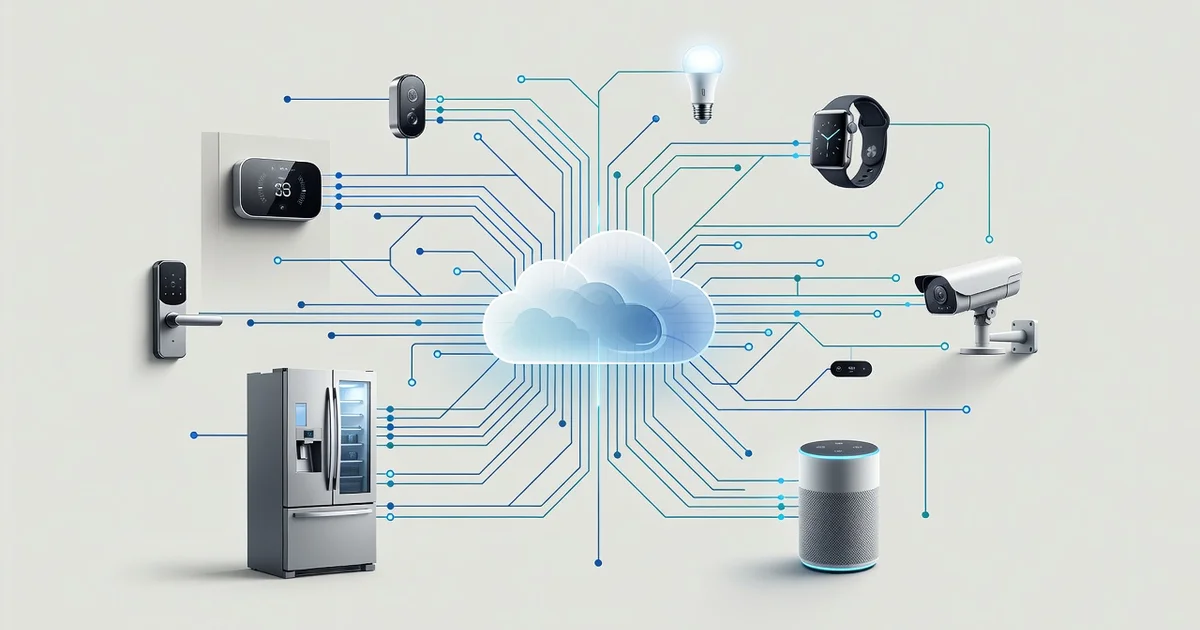
The Internet of Things technology is transforming how we live and work by connecting everyday devices to the internet. From smart thermostats that learn your schedule to fitness trackers that monitor your health, IoT devices collect and share data to make your life easier and more efficient. It’s no longer a futuristic concept—it’s already part of your daily routine.
Understanding what the Internet of Things technology is can help you make smarter decisions about the devices you buy and the systems you use. Whether you’re a homeowner or a business owner, knowing the basics opens the door to better automation, energy savings, and convenience. Let’s break it down in plain, practical terms.
Introduction
The Internet of Things, commonly shortened to IoT, refers to the vast network of physical objects—devices, vehicles, appliances, sensors, and even clothing—that connect to the internet and exchange data with one another. If you have ever adjusted your home thermostat from your phone, tracked a package in real time, or received a notification that your car needs service, you have already interacted with IoT technology. This article explores What Is Internet of Things Technology with clear, practical guidance, so you can recognize it in daily life and use it wisely.
IoT is not a single product or a passing trend. It is an ecosystem that blends hardware, software, connectivity, and data analytics. Understanding the fundamentals of What Is Internet of Things Technology helps you make informed decisions, whether you are buying a smart device, managing a business, or simply trying to protect your privacy. The technology touches homes, factories, farms, hospitals, and entire cities, and its influence continues to grow.
Because IoT devices often work quietly in the background, many people underestimate how much data they generate and share. Reliable information and consistent habits lead to better long-term outcomes—both in terms of getting value from your devices and in keeping your digital life secure. The sections below break down the core ideas, offer a step-by-step approach, and answer common questions.
Key Concepts
To grasp IoT, it helps to understand its main building blocks. Each part plays a distinct role in turning an ordinary object into a connected one.
- Devices and sensors: These are the physical components that collect information. A sensor might measure temperature, motion, light, humidity, or location. Examples include smartwatches, doorbell cameras, and industrial vibration sensors.
- Connectivity: Devices need a way to send data. Common options include Wi-Fi, Bluetooth, cellular networks (4G/5G), Zigbee, and LoRaWAN. The choice affects range, power use, and cost.
- Data processing: Once data is collected, it must be analyzed. This can happen on the device itself (edge computing), on a local hub, or in the cloud.
- User interface: This is how people interact with the system—through mobile apps, web dashboards, voice assistants, or automated alerts.
- Actuators: Some devices do more than sense; they act. A smart lock can open, a thermostat can adjust heating, and a robotic arm can move based on sensor input.
These elements combine to create systems that monitor, analyze, and respond. For example, a smart irrigation system uses soil moisture sensors (devices), sends readings over Wi-Fi (connectivity), decides whether watering is needed (processing), and opens a valve (actuator)—all while showing you the status in an app (interface).
Deep Dive
IoT is often described as a bridge between the physical and digital worlds. That bridge has three important characteristics: scale, automation, and data-driven insight.
Scale means billions of connected devices exist worldwide, and the number keeps rising. This scale enables patterns that would be invisible otherwise—like a city adjusting traffic lights based on real-time congestion, or a factory predicting equipment failure before it happens.
Automation allows systems to act without human intervention. A smart home can lock doors at night, a farm can release precise amounts of fertilizer, and a hospital can alert staff when a medical fridge drifts out of safe temperature range.
Data-driven insight turns raw readings into useful knowledge. By analyzing trends over time, organizations can reduce waste, improve safety, and personalize services. For individuals, this might mean understanding energy usage to lower bills or tracking fitness to improve health.
It is also important to recognize the challenges. Security is a major concern because every connected device is a potential entry point. Privacy matters because sensors can collect sensitive details about your habits and location. Compatibility can be frustrating when devices from different brands do not work together. Finally, power and maintenance require planning—batteries need replacing, firmware needs updating, and networks need reliable coverage.
Despite these challenges, the core value of IoT remains clear: it gives you better awareness and control. When used thoughtfully, it saves time, money, and resources.
Best Practices
Getting the most from IoT is less about buying the newest gadget and more about following sound habits. Consider these guidelines:
- Start with a clear purpose. Decide what problem you want to solve—lowering energy costs, monitoring a remote property, or improving sleep—before choosing devices.
- Prioritize security. Change default passwords, enable two-factor authentication where available, and keep firmware updated. A separate guest network for IoT devices adds a layer of protection.
- Check compatibility. Look for devices that support common standards like Matter or Zigbee, so they can work together and with future purchases.
- Limit data collection. Review privacy settings and disable features you do not use. Share only the data necessary for the device to function.
- Plan for maintenance. Keep a simple inventory of your connected devices, note battery types, and set reminders for updates.
- Test before scaling. If you are deploying IoT in a business, run a small pilot to measure results and uncover issues before expanding.
Reliable information and consistent habits lead to better long-term outcomes. A device that is secure, updated, and well-matched to your needs will deliver far more value than one that is simply popular.
Step-by-Step Guide
If you are ready to engage with IoT technology, whether for personal or professional use, follow this practical sequence.
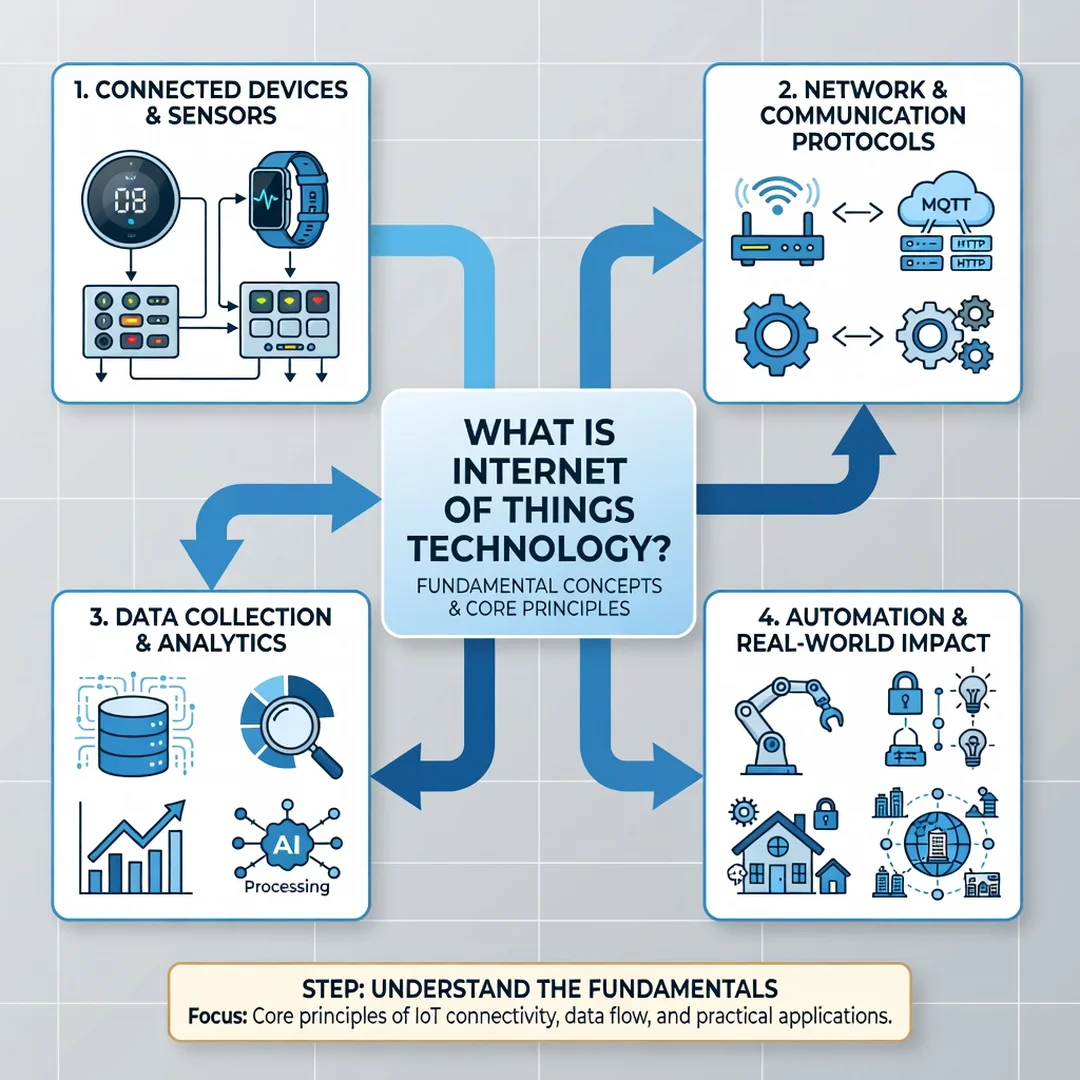
Step 1: Understand the fundamentals
Learn the basic components—sensors, connectivity, processing, and interfaces. Read reputable sources, watch explainer videos, and identify examples of IoT you already use. This foundation helps you ask better questions and avoid hype.
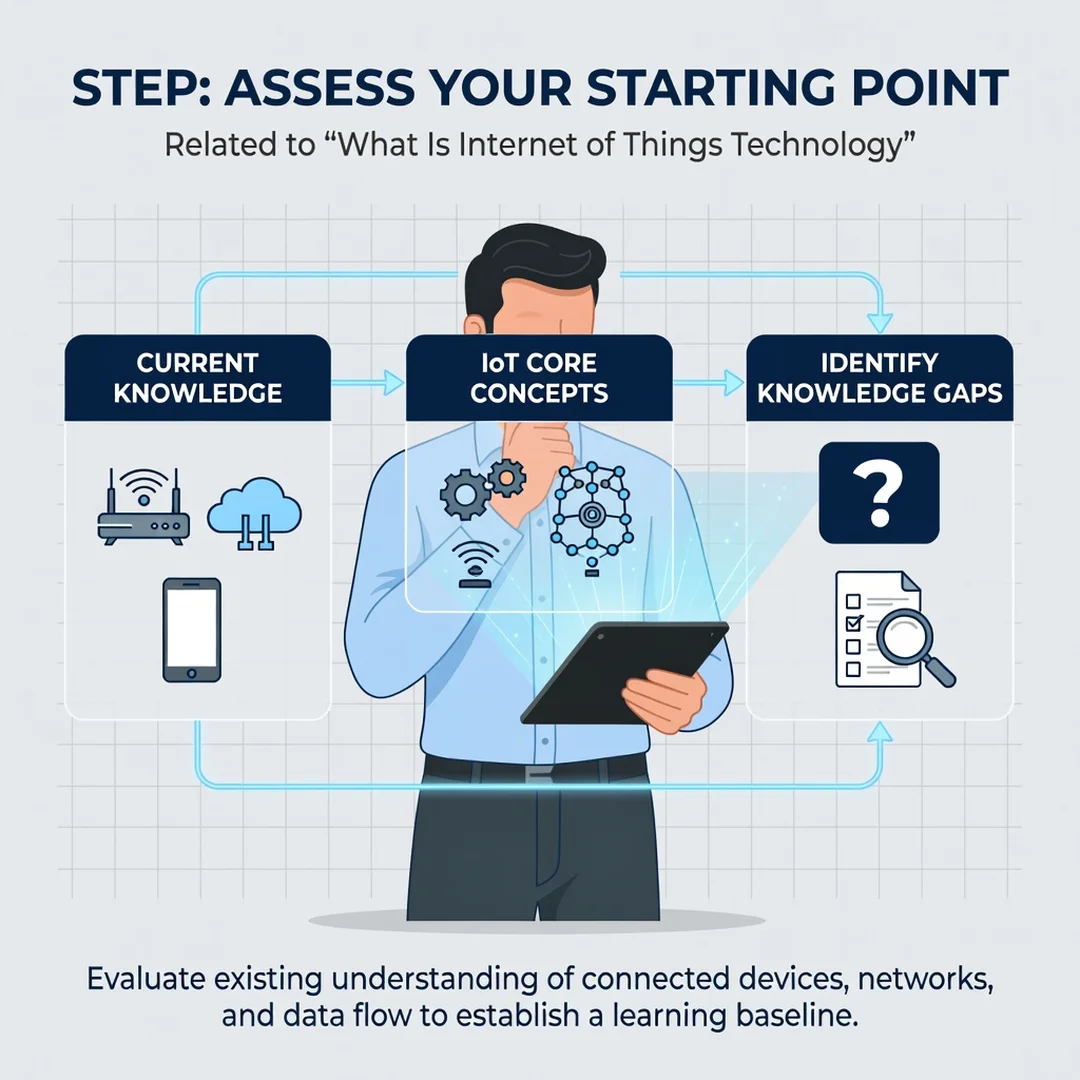
Step 2: Assess your starting point
Take stock of what you already have. List existing smart devices, your home or business network, and any recurring problems you want to solve. Note your comfort level with technology and your budget. An honest assessment prevents wasted spending and frustration.
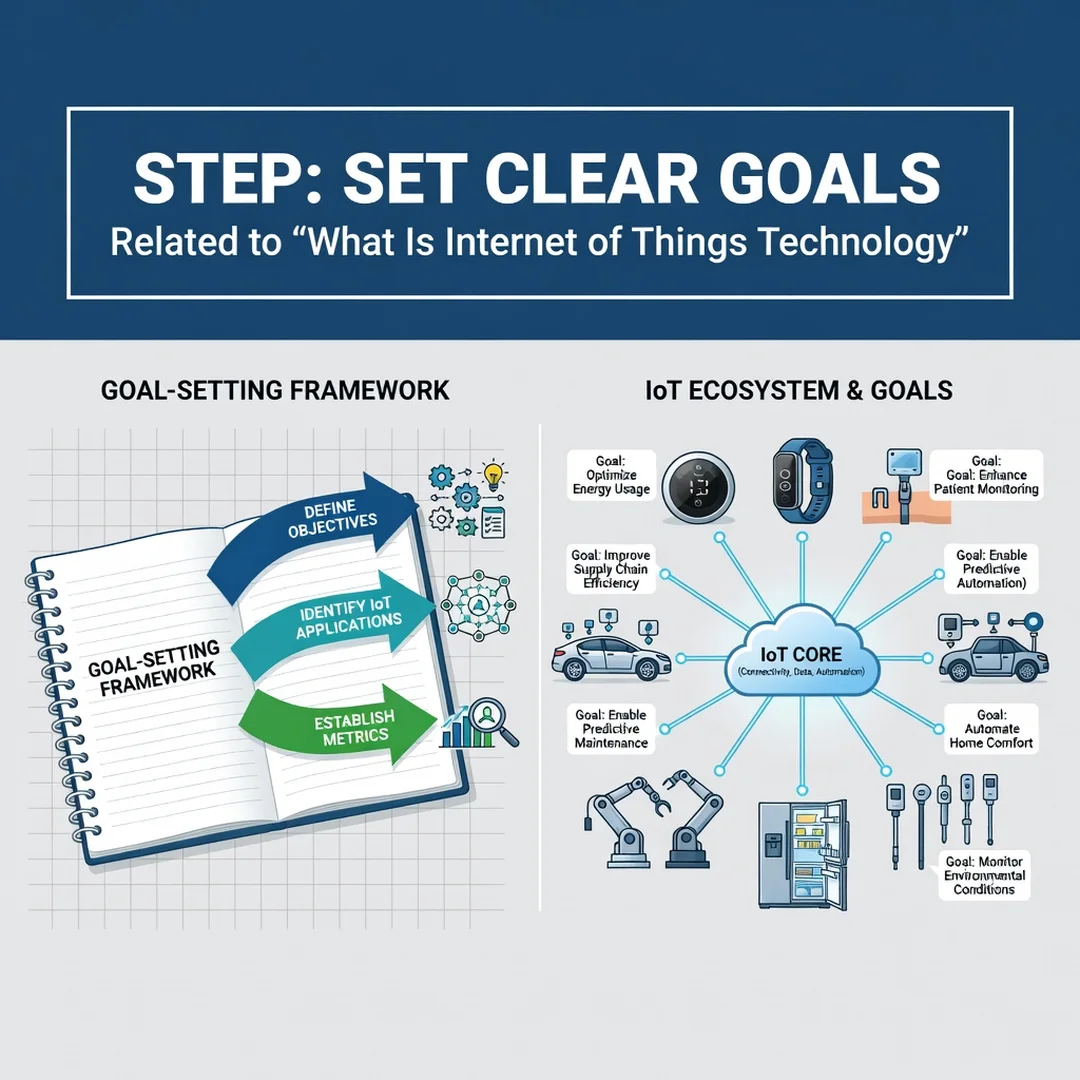
Step 3: Set clear goals
Write down specific, measurable objectives. For example: “Reduce electricity use by 10% within three months” or “Receive alerts if the office fridge temperature rises above 8°C.” Clear goals guide your choices and make it easier to judge success.
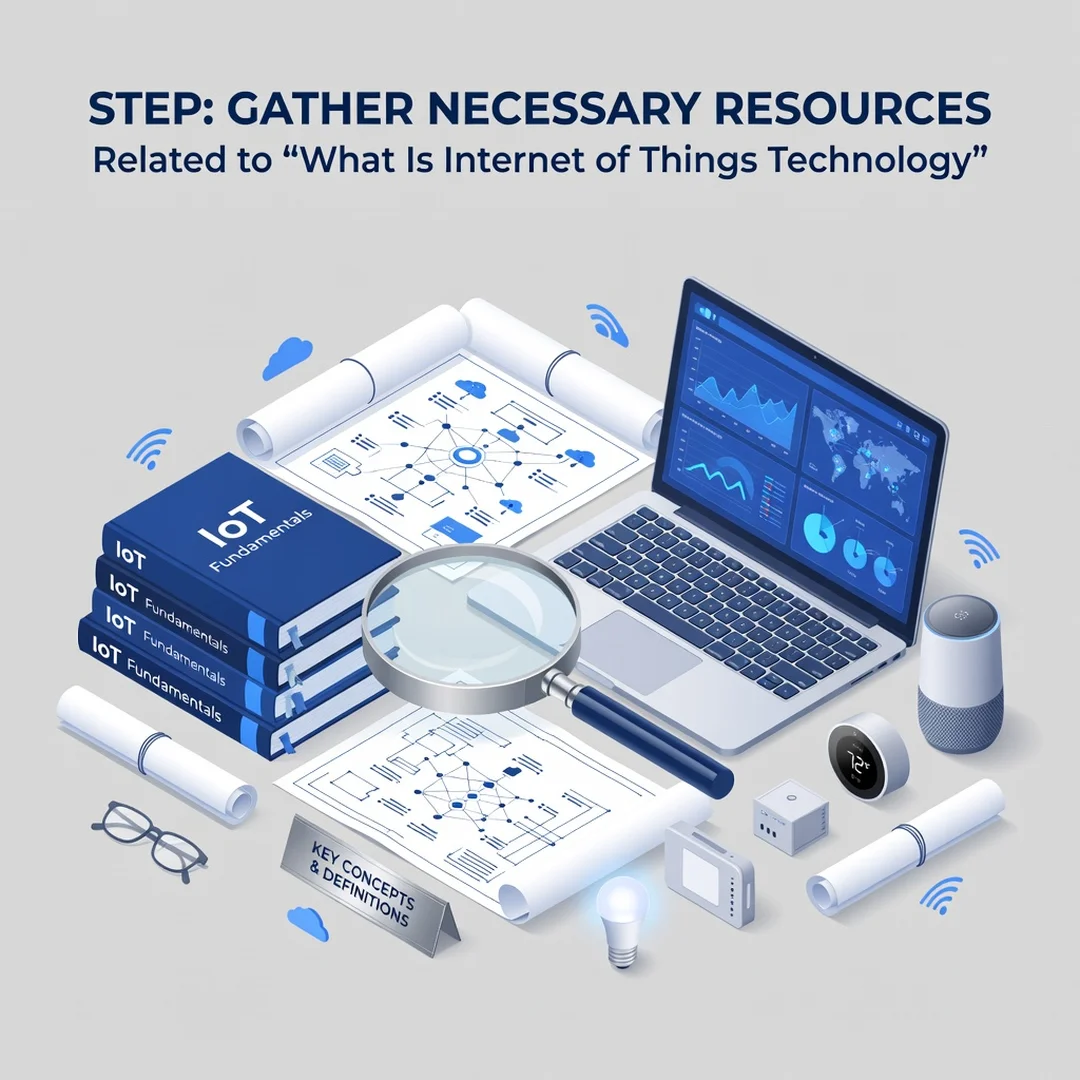
Step 4: Gather necessary resources
Identify the devices, apps, network access, and time you will need. Check whether your Wi-Fi covers the areas where devices will be placed. For larger projects, consider consulting an expert or reading user reviews for similar setups. Budget for both purchase and ongoing costs like batteries or subscriptions.
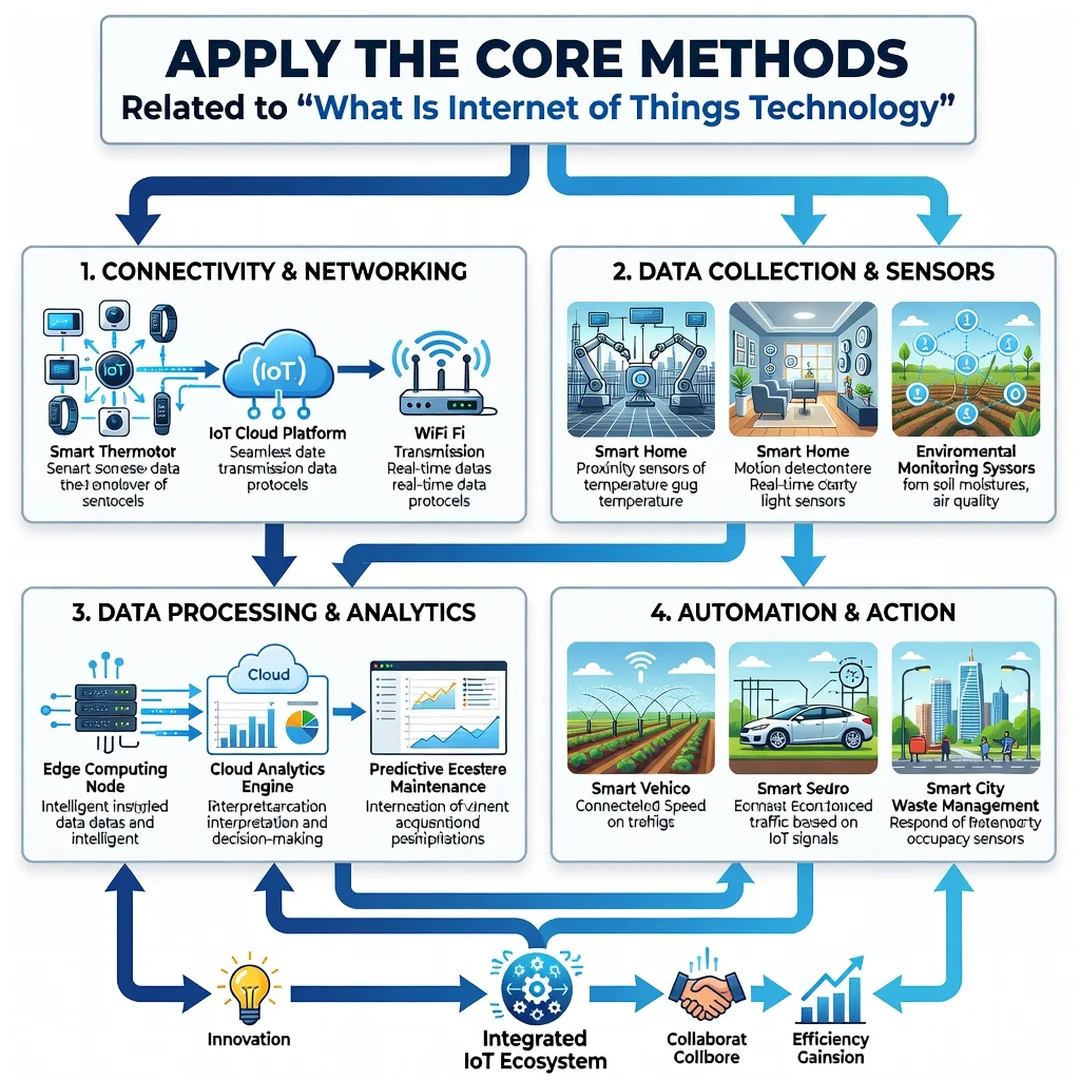
Step 5: Apply the core methods
Install and configure your devices one at a time. Secure each one before moving to the next. Test that data flows correctly and that alerts or automations work as intended. Monitor results for a few weeks, then adjust settings or add devices as needed. Repeat this cycle to improve gradually.
FAQ
What should I know about What Is Internet of Things Technology?
You should know that IoT is a network of connected physical objects that collect and exchange data. It includes sensors, connectivity, processing, and user interfaces. The main benefits are automation, insight, and control, while the main risks are security, privacy, and compatibility. Understanding these basics helps you choose devices wisely and use them safely.
Who is this guide for?
This guide is for anyone seeking clear, actionable information about IoT. That includes homeowners curious about smart devices, small business owners considering connected tools, students learning about technology, and professionals who need a plain-language overview. No prior technical background is required.
Conclusion
The Internet of Things is transforming how we live and work by connecting everyday objects to the internet. From smart thermostats to industrial sensors, IoT offers greater awareness, automation, and efficiency. By understanding the fundamentals, following best practices, and applying a step-by-step approach, you can make informed decisions and avoid common pitfalls. Reliable information and consistent habits lead to better long-term outcomes, so start small, stay secure, and build from there.
Frequently Asked Questions
What should I know about What Is Internet of Things Technology?
This guide covers the essentials of What Is Internet of Things Technology with practical steps you can apply right away.
Who is this guide for?
Anyone looking for a clear, structured overview without unnecessary complexity.
You now have a solid foundation for What Is Internet of Things Technology. Apply the best practices above and revisit this guide as your needs evolve.